The History of Aso-Oke
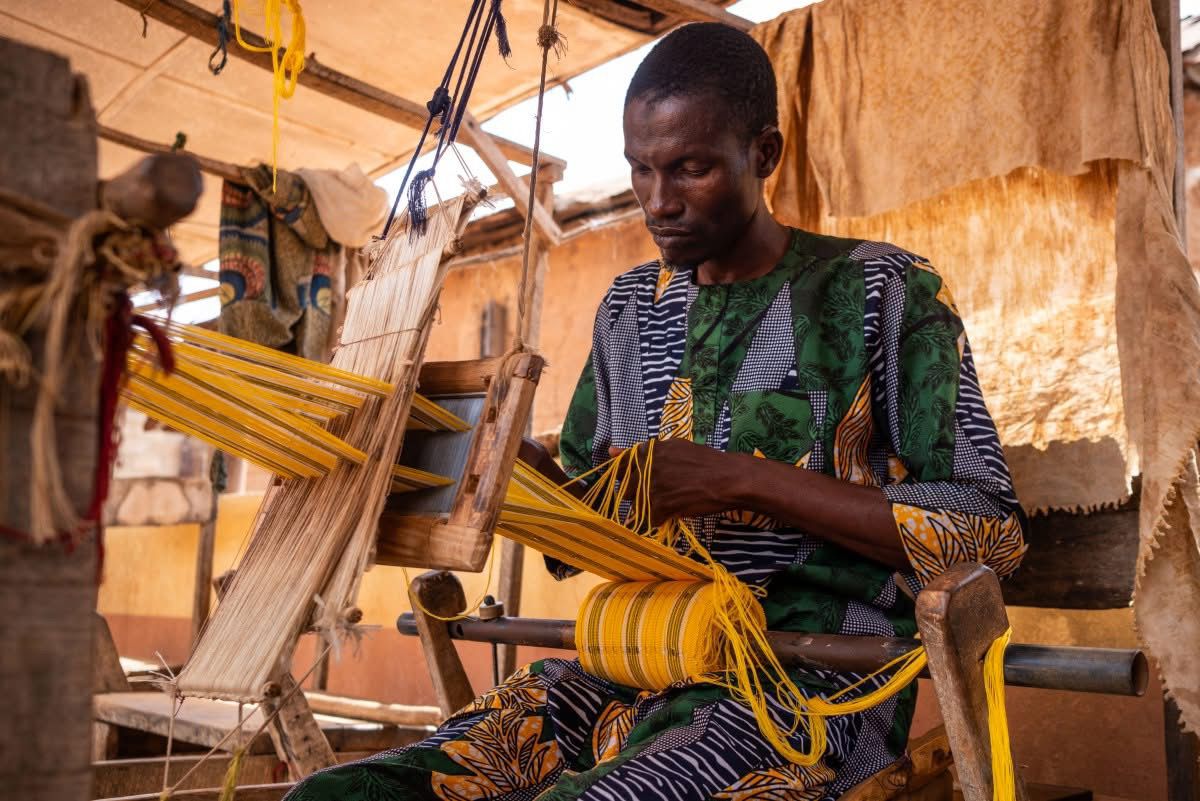
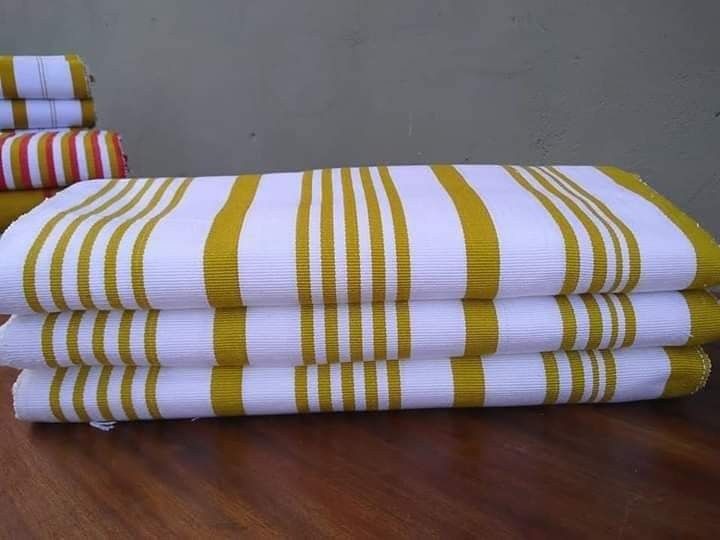
Aso-Oke, meaning "top cloth" in Yoruba, originates from southwestern Nigeria and has existed for centuries as a prestigious textile reserved for royalty and high-ranking individuals. Traditionally woven in towns such as Iseyin, Oyo, and Ilorin, it was worn during significant cultural events. Over time, it evolved beyond royal use but retained its strong cultural identity and ceremonial importance.
What is Asọ-Òfì?
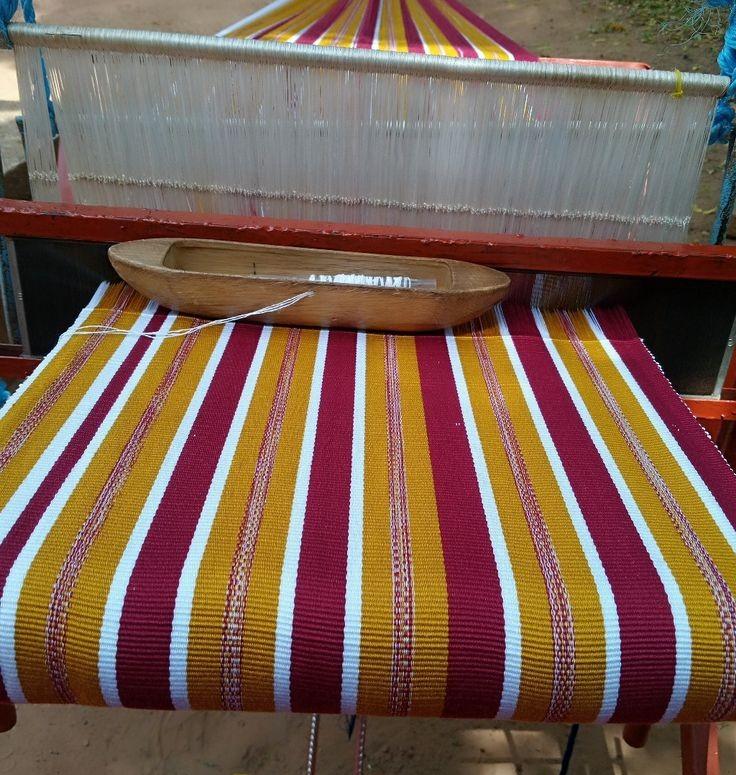
Asọ-Òfì refers to the indigenous Yoruba weaving technique used in producing Aso-Oke fabric. It involves a narrow horizontal loom where threads are systematically interwoven to create long strips of cloth. The knowledge of Asọ-Òfì weaving is traditionally passed down through generations, making it a living cultural inheritance.
Materials Used in Production
Cotton Yarn
The foundation of most fabrics due to its strength and breathability.
Silk Threads
Incorporated in premium designs to provide a smooth texture and subtle sheen.
Indigo Dye
Derived from natural plants for deep blue tones characteristic of classic styles.
Metallic Threads
Lurex is introduced to add decorative brilliance and versatility.
The Asọ-Òfì Process
A multi-stage process reflecting technical complexity. It begins with yarn preparation, spinning, and dyeing. Then follows the arrangement of warp (vertical) and weft (horizontal) threads on a narrow loom. Each strip is narrow, requiring multiple strips to be carefully aligned and sewn together.
Cultural Significance
Aso-Oke is deeply embedded in Yoruba culture as a visual representation of identity and social values. Worn during weddings, naming ceremonies, and festivals, specific colors and patterns carry cultural meanings—darker tones for authority, brighter for celebration.

Our Mission
To preserve the integrity of traditional Aso-Oke weaving while redefining its place in contemporary fashion, empowering artisans and promoting African identity.
Our Vision
To establish Bin Hadi Aso-Oke as a globally recognized brand representing excellence in African textile design, appreciating cultural significance worldwide.
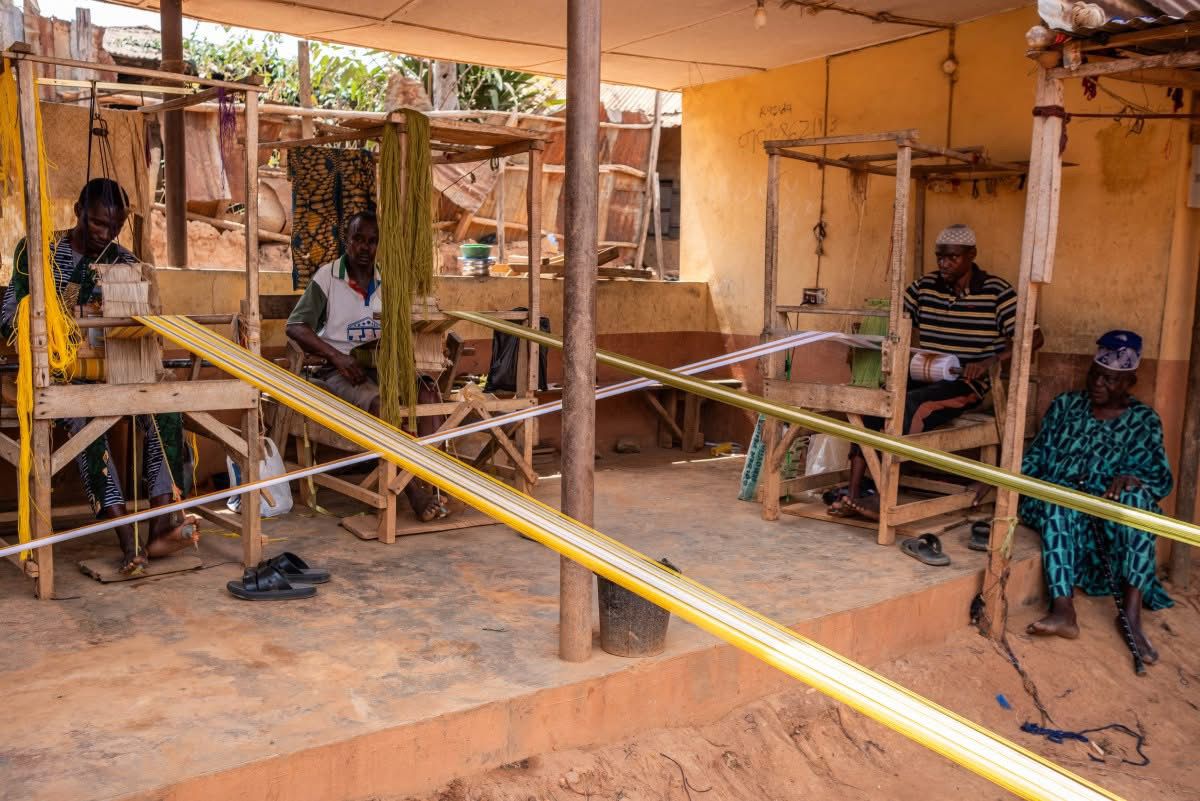
Our Artisan Community
The success of our production relies heavily on skilled artisans who master the art of weaving through generational knowledge transfer. By collaborating with local craftsmen in Iseyin, we contribute to economic development and ensure authentic cultural value.